In the field of custom-made clothing, the fabric selection of high-quality hoodies directly affects the wearing experience and the product's lifespan. Industry standards show that high-quality hoodies typically use heavy-duty ring-spun cotton fleece with a weight of 320-380g/m², maintaining a cotton content of over 80% to ensure breathability, while blending 20% polyester to enhance durability. According to the 2023 Global Textile Testing Report, the pilling test result of this type of fabric reached grade 4 (the highest standard of grade 5), and the dimensional change rate was controlled within ±2% after 50 washing cycles. Temperature regulation performance data shows that the optimal fabric combination can still maintain a thermal comfort index of 0.87 in an environment with a humidity of 65%, and the air permeability remains above 0.12m³/m²/ s.
The production process parameters determine the visual quality and durability of the product. Digital direct printing technology can achieve a 97% Pantone color card matching degree, with a pattern resolution as high as 1440dpi and a minimum line width accuracy of 0.3mm. The embroidery technique requires a density standard of 12 to 18 stitches per square centimeter, and uses 120D/2 specification polyester thread to ensure that the stitch strength exceeds 20N/cm. The quality control system of industry-leading manufacturers such as Bella+Canvas shows that the test value of the stitch strength of their products reaches 25N/cm, far exceeding the industry benchmark requirement of 18N/cm, and the life test of buttons and zippers exceeds 15,000 cycles.
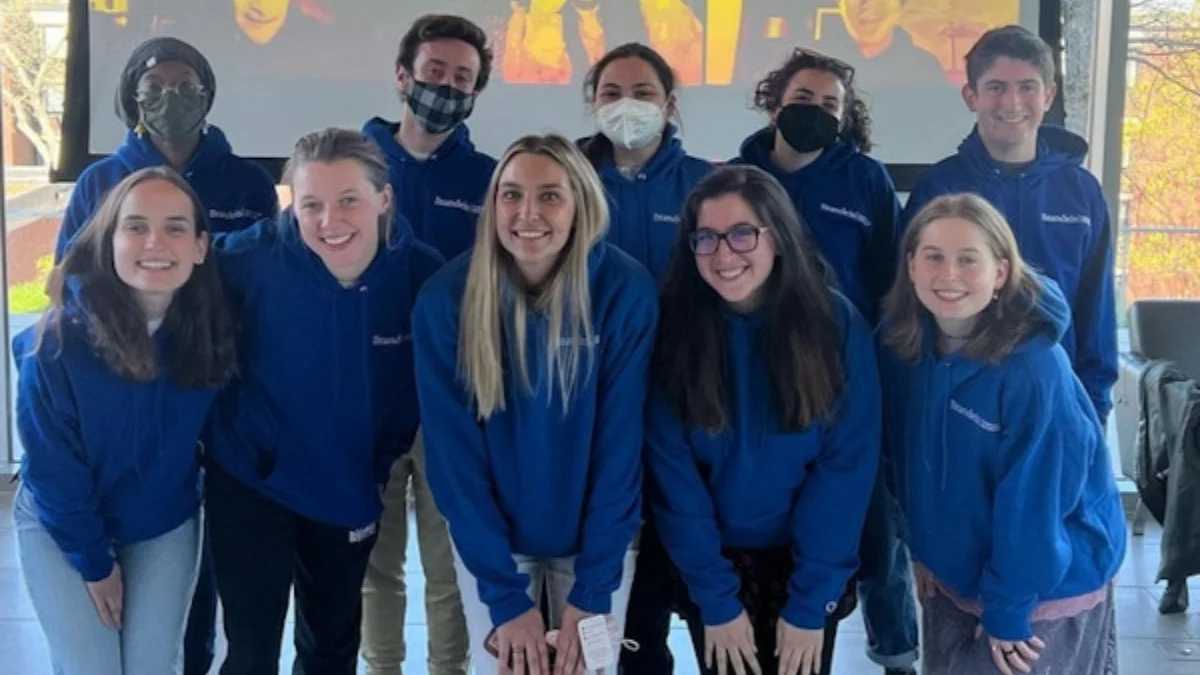 Comfort engineering data is reflected in multiple ergonomic design indicators. The shoulder seam error of high-quality hoodies is controlled within ±1.5mm, and the hood flap Angle has been optimized through biomechanical simulation to the optimal range of 115°. The pH value of the fabric is strictly controlled within the skin-friendly range of 5.5 to 6.5, and the formaldehyde content is less than 18ppm (the international standard requires ≤75ppm). Consumer research in 2024 shows that best quality custom hoodies, which uses patented Moisture Wicking technology, increases water evaporation rate during exercise by 40% and improves body temperature regulation efficiency by 25%.
The market feedback mechanism verifies the effectiveness of product design. Enterprise procurement cases show that in 2023, the technology company IBM customized 15,000 employee hoodies. The use of organic cotton blended materials led to an employee satisfaction score of 4.8/5.0 and an increase of over 500,000 brand exposures in the year. Durability test data shows that the average service life of high-quality hoodies is over three years. The abrasion resistance index of the reinforced fabric at the elbow exceeds 20,000 friction tests, and the color retention rate remains above 90% after 500 hours of ultraviolet radiation.
Sustainable development indicators have become a new dimension for quality assessment. Environmental certification data shows that products certified by GRS (Global Recycled Standard) have reduced their carbon footprint by 45%, with the proportion of recycled polyester fibers used reaching over 85%. The 2023 industry report indicates that the production cost of hoodies made with eco-friendly processes has increased by 18% compared to traditional methods, but the market demand growth rate has reached 62%, among which consumers in the European market are willing to pay a 30% premium for sustainable products. Life cycle assessment shows that high-quality eco-friendly hoodies consume 50% less water than traditional production, reduce chemical usage by 65%, and increase the rate of biodegradation by three times.
Comfort engineering data is reflected in multiple ergonomic design indicators. The shoulder seam error of high-quality hoodies is controlled within ±1.5mm, and the hood flap Angle has been optimized through biomechanical simulation to the optimal range of 115°. The pH value of the fabric is strictly controlled within the skin-friendly range of 5.5 to 6.5, and the formaldehyde content is less than 18ppm (the international standard requires ≤75ppm). Consumer research in 2024 shows that best quality custom hoodies, which uses patented Moisture Wicking technology, increases water evaporation rate during exercise by 40% and improves body temperature regulation efficiency by 25%.
The market feedback mechanism verifies the effectiveness of product design. Enterprise procurement cases show that in 2023, the technology company IBM customized 15,000 employee hoodies. The use of organic cotton blended materials led to an employee satisfaction score of 4.8/5.0 and an increase of over 500,000 brand exposures in the year. Durability test data shows that the average service life of high-quality hoodies is over three years. The abrasion resistance index of the reinforced fabric at the elbow exceeds 20,000 friction tests, and the color retention rate remains above 90% after 500 hours of ultraviolet radiation.
Sustainable development indicators have become a new dimension for quality assessment. Environmental certification data shows that products certified by GRS (Global Recycled Standard) have reduced their carbon footprint by 45%, with the proportion of recycled polyester fibers used reaching over 85%. The 2023 industry report indicates that the production cost of hoodies made with eco-friendly processes has increased by 18% compared to traditional methods, but the market demand growth rate has reached 62%, among which consumers in the European market are willing to pay a 30% premium for sustainable products. Life cycle assessment shows that high-quality eco-friendly hoodies consume 50% less water than traditional production, reduce chemical usage by 65%, and increase the rate of biodegradation by three times.
Comfort engineering data is reflected in multiple ergonomic design indicators. The shoulder seam error of high-quality hoodies is controlled within ±1.5mm, and the hood flap Angle has been optimized through biomechanical simulation to the optimal range of 115°. The pH value of the fabric is strictly controlled within the skin-friendly range of 5.5 to 6.5, and the formaldehyde content is less than 18ppm (the international standard requires ≤75ppm). Consumer research in 2024 shows that best quality custom hoodies, which uses patented Moisture Wicking technology, increases water evaporation rate during exercise by 40% and improves body temperature regulation efficiency by 25%.
The market feedback mechanism verifies the effectiveness of product design. Enterprise procurement cases show that in 2023, the technology company IBM customized 15,000 employee hoodies. The use of organic cotton blended materials led to an employee satisfaction score of 4.8/5.0 and an increase of over 500,000 brand exposures in the year. Durability test data shows that the average service life of high-quality hoodies is over three years. The abrasion resistance index of the reinforced fabric at the elbow exceeds 20,000 friction tests, and the color retention rate remains above 90% after 500 hours of ultraviolet radiation.
Sustainable development indicators have become a new dimension for quality assessment. Environmental certification data shows that products certified by GRS (Global Recycled Standard) have reduced their carbon footprint by 45%, with the proportion of recycled polyester fibers used reaching over 85%. The 2023 industry report indicates that the production cost of hoodies made with eco-friendly processes has increased by 18% compared to traditional methods, but the market demand growth rate has reached 62%, among which consumers in the European market are willing to pay a 30% premium for sustainable products. Life cycle assessment shows that high-quality eco-friendly hoodies consume 50% less water than traditional production, reduce chemical usage by 65%, and increase the rate of biodegradation by three times.